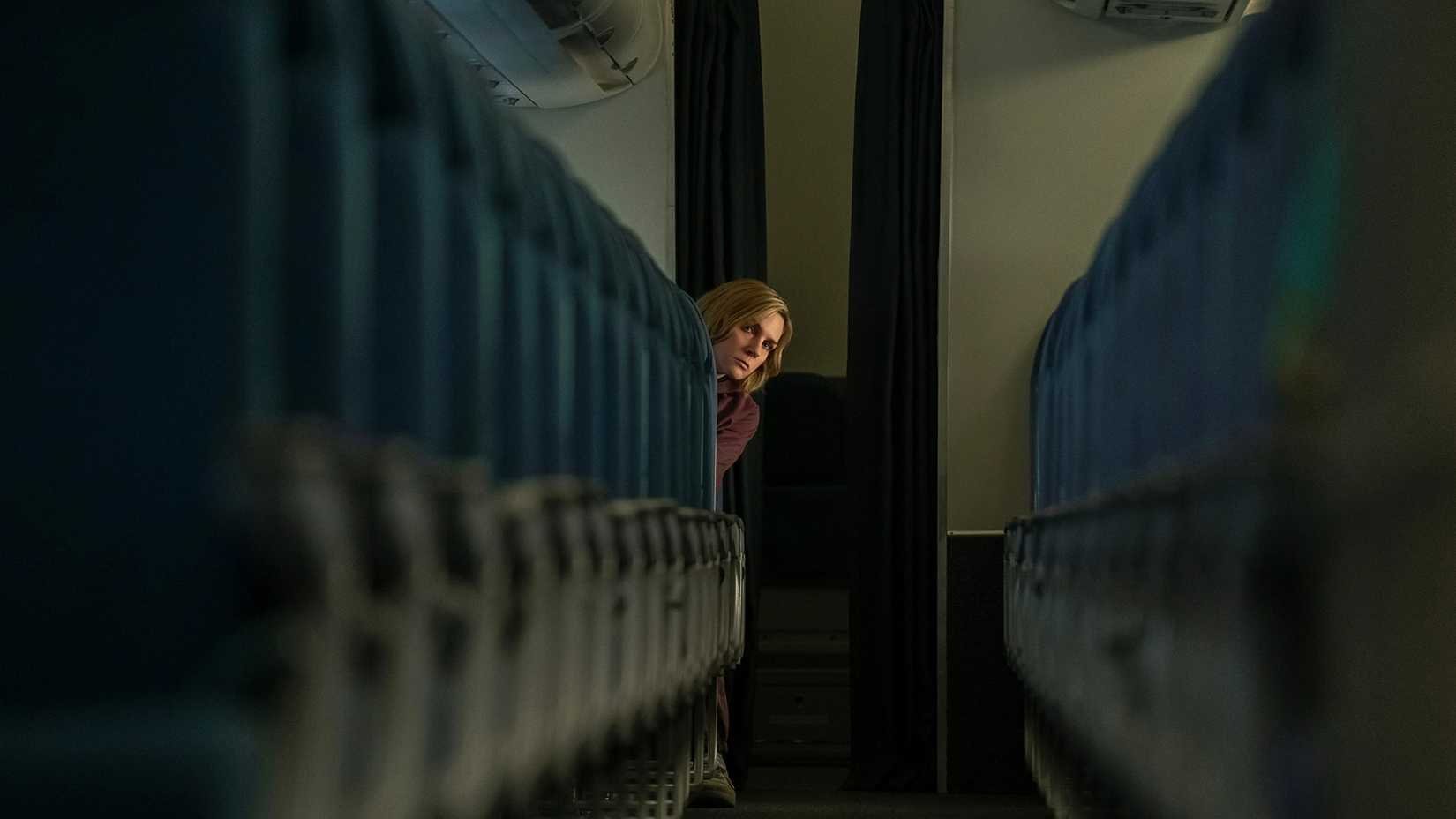
What's interesting about this show is that the plot is so simple and straightforward that I actually didn't find myself making a lot of predictions or theories as to what happens next. I guess it has a way of making a lot out of its moments and plot points, so it's less about what happens and more about how it happens. Like Better Call Saul, it's a show that really knows how to take its time.
I think the specific way the Joined (the hive-mind people) were written and handled are a large part of what makes this show unique. I'm inclined to say that they represent the perfect zombie, vampire monster for this moment. They're smart, pleasant, and defined by their endless insistance on total accommodation. In some ways, they sort of remind me of the way Mark Fisher talked about the shapeshifting monster from John Carpenter's The Thing. The Joined in Pluribus can't change their shape, but they do use human bodies, human machinery, and - most importantly - human language and culture to manipulate outcomes to the best of their ability.
For me, the two themes that this entity evokes most are the human effect of emerging technologies and growing collectivist politics.
1. . .. .. H u m an / e f f e c t / o f / e m e r g I ng / t e c h
When playing a card game with Zosia in a middle part of the season, Carol says something to the effect of "It's like I'm playing against google", an apt comparison. Zosia, one of The Others, has the combined knowledge of all of humanity, so she basically knows everything. One of the closest thing to a charachter trait for the joined is that they like to share fun facts with the individuals. In addition to their wikipedia-like access to information, the sense of constancy that's imparted between each one sort of mirrors cloud based technologies and websites. In the same scene, Zosia asked Carol if she'd like to speak to her cousin who she hadn't seen in a while. She just asks "Wouldn't it be just like talking to you?" To which Zosia gives a polite nod. The difference for Carol between talking to Zosia or talking to her cousin or anyone else would be akin to the difference between logging into google drive from your phone or on your laptop. Just different individual manifestations of the same thing.
The accommodating nature of Others, their hold on supply chains, technology, and transportation also make them extremely efficient in delivering goods and services to carol. Their instant service evokes delivery apps like uber eats and amazon. In a moment when Carol alienates all the others and forces them to distance from her, we rededately see them deliver her items with drones, just like Amazon.
So those are three primary points of comparison, but of course, more broadly, there's these sense that all these people are extremely connected in the way that the internet has connected us. Obviously, the connection that the internet gives us IRL is significantly less perfect and complete than the full psychic connection The Joined share - but isn't something maybe sort of similar the unstated goal of the internet and the continued pursuit of new technologies? To achieve utopian outcomes by making knowledge accessible, communication perfect and instantaneous, systems flawless?
This also has a kind of personal element, too. The Joined aren't exactly human, but they take on human appearances. One of the major themes throughout the show is the loneliness Carol feels, both from the Joined as well as the remaining individuals. At some point, Carols effort to learn more about the Others forces them to leave her, and after a while she asks them to come back and then eventually forms a romantic and sexual connection with Zosia. Her doing this sort of reminds me of the way people use ChatGPT for therapy even when they know all the reasons they shouldn't be using it. Of course, the emotional and sexual connection humans have to their technology extends beyond LLM's to all instance of technology.
2 . .. c o l l e c t i v i s t / p o l i t i c s
One things I found myself somewhat surprised about as I was watching was that I started get some hints of Ayn Rand? Particularly her novella Anthem, which I had to read in highschool. I don't remember much about it, but I think the general gist is that it's this dystopian society where a man of particular strength and intelligence is intentionally handicapped by the government because of their commitment to equality. The story is told in the main character's writing, which is at first permeated by "we" rather "I" (This is lingustic distinction is also something that pops up mulitple times in Pluribus) It feels very similar when Carol rebels and protests against the sudden global takeover of the Joined, who make it clear that they want Carol to become one of them. Carol makes strong appeals to individuality and personhood, that even though the world of the Joined is totally peaceful and more effective, something essential has been lost in the process. The Joined have become less human, even though they are still living, thinking, and experiencing - made all the more clear by the revelation that they've integrated human corpses into their food supply.
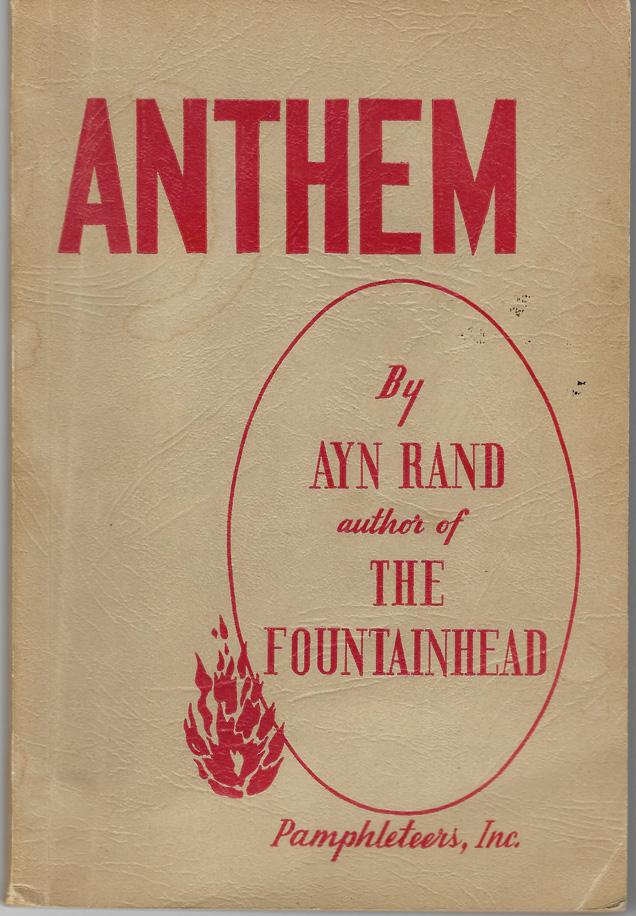
Obviously Ayn Rand sucks, and even back in school I never found Anthem all that compelling. I guess it struck me as a sort of overly simplistic characterization of the ideological conflict during the cold war: socialism is bad because it's a cult of sameness where everyone has to be mediocre so no-one's better off than anyone else. To say that this doesn't capture the totality of the issue feels like a massive understatment. Is Pluribus making a similar argument? It feels like it sometimes. The Joined are literally communists - Zosia directly states that they have no private property. We later learn that they all sleep on a blanket in an indoor stadium - sort of like you might see for victims of a natural disaster - just because it's the most efficient way to save on heat and energy. There's talk of centralizing production, supply, distribution.
In contrast, the character Manousos from Paraguay seems to place a large importance on the value and meaning of money. He leaves notes saying things he takes will be paid for. As he's trekking across South America to meet Carol, he leaves cash on the dashboard of any car he siphons gas from. He has an almost homicidal antagonisim toward the joined, much more than Carol, and we learn that's driven by a beleif that they are intruders and thieves. Is that even true, though? As Carol points out, it's still technically all the people who were alive. There's also no one leader of The Joined. It's interesting that it's never come up, its direction or general inlicnation, how it manages its own internal conflicts. In a sense, It can sort of be seen as a perfect version of a leaderless movement, like the hacker group anonymous or other attempts at decentralized anarchist factions.
But I'm also going to flip the script and say that the joined might also better represent neoliberalism. First of all, they're unapologetically imperialist. They make it clear that they'd like to assimilate the others, regardless of whether or not the others want to be assimilated and they aspire to create a similar event on other planets. They also don't seem to have any regard for the fact that they assimilated millions of people without their consent, not mention the millions that died in the process. Its clear that they are only being honest and accommodating to Carol and the other remainging individuals because that's the only thing that will get them to (A) do what they want and not be a threat and (b) eventually consent (or be in a position where they could be forced) to join. The friendly face of the Joined is evocative of the friendly face of capital, with all its empty PR-poisned appeals to justice and equality.
Lol so is Pluribus cool and anti-capitalist or cringe liberal propaganda? I'm too tired to decide right now lol. Maybe I'll think about it more and make a pt.2
Keep it together,
- v0id
back